


Offering
Solutions We Provide





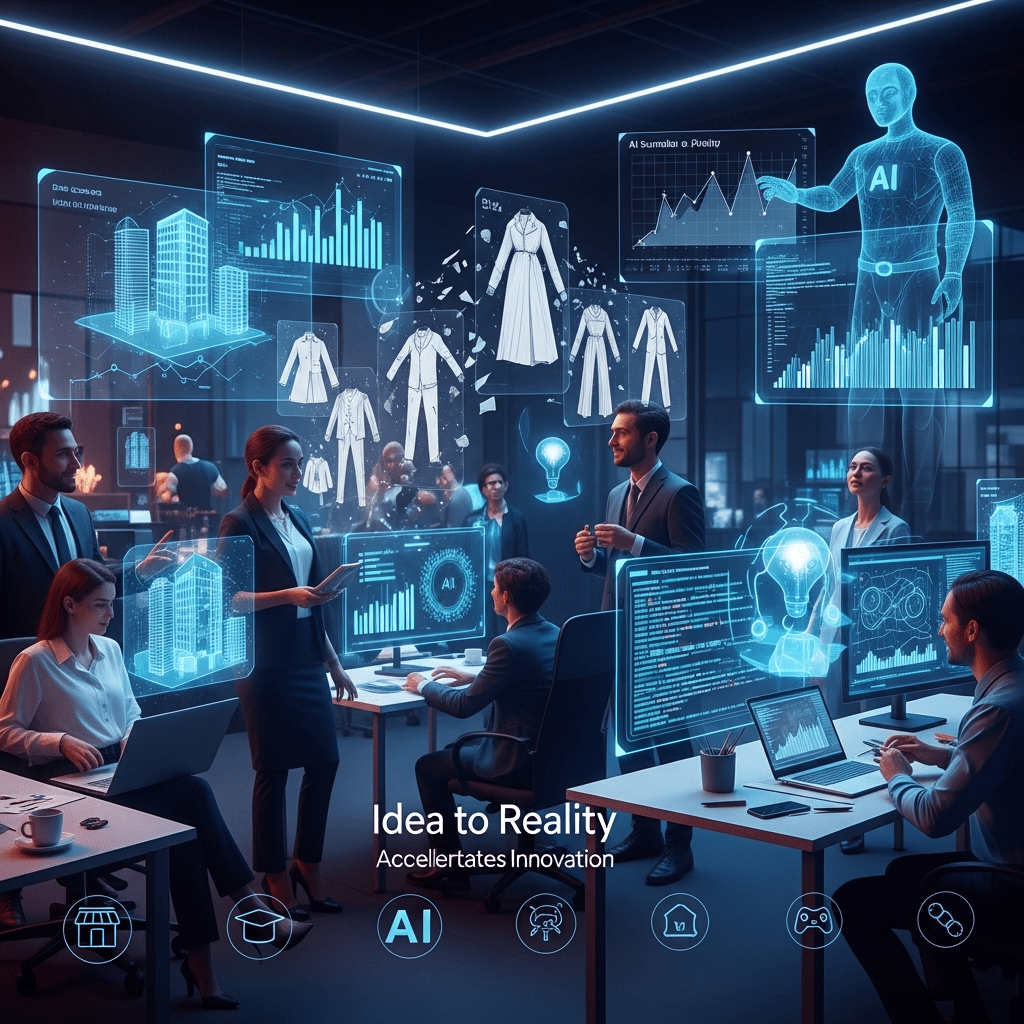

For many years, businesses tried to understand customers with surveys, feedback forms, and marketing campaigns. But today’s digital-first users expect more. They don’t want one-size-fits-all support or offers. They want brands to know us, understand us, and talk to us personally.
This shift towards personalization is changing customer engagement across every industry. In 2026, customer service isn’t about sending out mass messages. It is about having meaningful interactions. And the technology making this happen is Artificial Intelligence, or AI.
The Demand for Personalization Has Never Been Stronger
Customers now expect brands to talk to them like real people, not just a number in a database.
They want:
- Product suggestions that match their needs
- Support that understands their history
- Offers that reflect their interests
- Service that adapts to their behavior
Studies show that customers are more likely to buy from a brand that personalizes communication. They spend more money and stay loyal longer. Personalization has become a main driver of growth for businesses, and AI is the engine powering it.
How AI Turns Data Into Personalized Experiences
AI is a powerful tool. It analyzes millions of data points. This includes browsing behavior, purchase history, past conversations, location, device usage, sentiment, and more. Instead of treating every customer the same, AI finds patterns and creates an experience for them alone.
Here is how AI makes personalization real:
- It learns from customer behavior. AI understands preferences automatically, without manual effort.
- It predicts what customers need. It can figure out what customers might want next before they even say it.
- It adapts instantly. Recommendations or help change right away based on activity.
This level of smart, fast help is impossible for a human team to do. AI can scale personalization for millions of customers at once.
Personalized Engagement at Every Touchpoint
AI helps customers from the moment they start looking at a product until they finish their purchase.
Shopping: AI watches how customers browse and recommends products that fit their style and budget.
Support: When customers have a question, AI answers with information that fits their past history, not a generic reply.
Marketing: AI stops sending the same email to everyone. It sends customeroffers and reminders that they are most likely to care about.
Emotional Intelligence Meets Machine Intelligence
Modern engagement is not only about data; it is also about understanding emotion. AI is getting smarter. AI can:
- Detect tone in messages
- Recognize frustration
- Sense urgency
- Respond with empathy
For example, if someone sounds upset, AI can instantly change its tone. It might offer them a faster support option or transfer them to a human agent right away. When technology understands feelings, customer trust grows.
Why AI-Driven Personalization Is the Future
AI is changing how brands communicate, support, market and sell. The companies that adopt personalization early will stand out.
Here is what AI brings to the future of customer interaction:
- Stronger customer loyalty.
- Faster help with less trouble.
- More sales and repeat business.
- Lower support costs because of better automation.
The businesses that win tomorrow are the ones that build relationships, not just transactions.
Final Thoughts
The future of customer engagement is personal, meaningful, and deeply connected. Generic messaging has no place in a world where customers expect brands to feel human. And thanks to AI, personalization is no longer difficult, expensive, or slow.
FAQ
What exactly does “personalized engagement” mean for me as a customer?
It means that companies stop sending you generic, mass messages. Instead, they treat you like an individual. For example, when you shop, they recommend things you’d actually like. When you need help, they remember what you talked about last time. It makes your whole experience feel easier and more relevant, like talking to a helpful friend.
How does AI know what I want? Is it spying on me?
AI uses the data you willingly share with a company—things like your past purchases, what you click on their website, and what you’ve searched for. It takes these millions of data points and finds patterns to predict what you might need next. It’s not “spying” as much as it is remembering and analyzing your behavior within their system to be more helpful.
Can AI really understand if I’m happy or angry?
Yes, it’s getting very good at this! AI uses a technology called “sentiment analysis” to read the tone in your text or voice. It can detect keywords and language patterns that suggest frustration, urgency, or happiness. If it senses you are upset, it can quickly shift its response or connect you to a human right away.
